Introduction
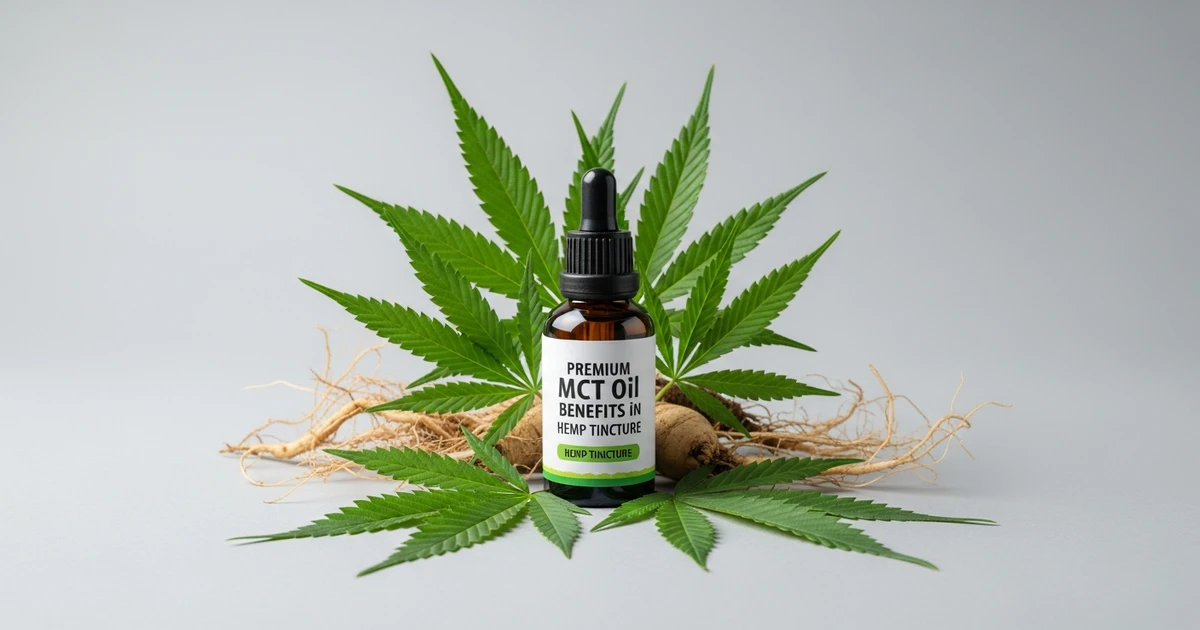
MCT oil benefits in hemp tincture are often overlooked, yet the carrier oil can play a major role in how a hemp wellness formula is absorbed, delivered, and used. For pet parents comparing hemp oil products, the difference between a simple tincture and a thoughtfully formulated one often comes down to the base oil, the hemp extract type, and the quality controls behind the bottle.
Medium-chain triglycerides, or MCTs, are popular in premium hemp tincture formulations because they are structurally different from many long-chain fats. That difference matters. MCT oil is typically easier for the body to process, which is one reason it’s commonly used in high-quality hemp oil products designed for consistent dosing and efficient delivery. For pets, where precision and purity matter even more, the carrier oil is not just a filler ingredient—it is part of the formulation strategy.
A well-made hemp tincture should do more than contain hemp extract. It should support bioavailability, reflect full ingredient transparency, and be backed by credible testing. That means looking for lab results, terpene profiles, and a clear explanation of what’s inside the bottle. A premium 30mL hemp tincture may contain nearly 5000mg hemp extract, but potency alone is not enough. The quality of the carrier oil, the spectrum of cannabinoids, and the presence of beneficial terpenes all contribute to the overall hemp wellness experience.
For pet parents, the goal is simple: choose a hemp oil that is pure, science-backed, and made to human-grade standards for the animal it’s intended for.
Main Topic Section
What MCT oil does in a hemp tincture
MCT oil serves as the carrier base in many premium hemp tincture formulas because it helps distribute hemp extract evenly throughout the liquid and may support more efficient absorption than heavier oils. In practical terms, this means each dose can be more consistent, which is especially important in pet wellness where repeatability matters.
One of the main MCT oil benefits is its neutral profile. It doesn’t overpower the hemp extract, and it allows the natural characteristics of the formula—such as botanical terpenes and full spectrum hemp compounds—to remain the focus. That matters because a well-designed hemp tincture should preserve the integrity of the hemp extract rather than masking it with unnecessary ingredients.
MCT oil is also favored because it is stable and easy to formulate with. For a hemp oil product that aims for precision, stability helps preserve consistency from batch to batch. Pet parents reviewing a label should look for a transparent ingredient list that clearly identifies the carrier oil, the hemp extract type, and any added botanical components. A formula built on MCT oil, hemp isolate, or full spectrum hemp can be very different from one made with vague or undisclosed blends.
Another reason MCT oil benefits matter is dosing. In a tincture, the carrier oil helps deliver the hemp extract in a measured way. This is particularly useful for dogs, cats, and horses, where body size and sensitivity vary widely. A premium hemp tincture should make it easier to administer a reliable amount, not harder.
Why carrier oils affect bioavailability
Bioavailability refers to how much of a compound the body can absorb and use. In hemp wellness, this is a critical concept. Even a potent hemp oil won’t do much if the body cannot access the compounds effectively. That’s why the carrier oil in a hemp tincture matters so much.
MCT oil is widely used because it may support more efficient uptake of hemp extract compared with some other oils. Since MCTs are metabolized differently than long-chain fats, they are often considered a practical choice for tinctures intended for oral use. This is one of the most cited MCT oil benefits in hemp tincture formulations: it can help create a more streamlined delivery system.
For pet parents, that means the formula is not just about potency on paper. It’s about how the hemp extract is presented to the body. A hemp tincture made with MCT oil, for example, can offer a clean, simple base that complements the hemp compounds rather than competing with them. This is especially important in full spectrum formulas, where cannabinoids and terpenes work together.
**A premium hemp tincture should be evaluated like a professional-grade wellness product: look at the carrier oil, the cannabinoid profile, the terpene profile, and the lab report—not just the front label.
Second Main Topic
Full spectrum hemp oil, terpenes, and the entourage effect
Another reason MCT oil benefits matter is that the carrier oil helps support the delivery of a broader hemp profile. In a full spectrum hemp oil, the value comes not only from the cannabinoid content but also from the natural terpenes and minor compounds that may contribute to the entourage effect.
The entourage effect is the idea that hemp compounds may work better together than in isolation. This is where full spectrum hemp oil often stands apart from isolate-based formulas. While hemp isolate can provide a pure cannabinoid profile, full spectrum hemp oil includes a wider range of naturally occurring compounds. For many pet wellness formulations, that broader profile is considered a major advantage.
Terpenes are especially important. Compounds like limonene, myrcene, β-caryophyllene, and humulene are not just aromatic—they are part of the formula’s overall character. For example, humulene terpene benefits are often discussed in relation to its earthy profile and its presence in wellness-focused botanical blends. β-caryophyllene is notable because it interacts with the endocannabinoid system in a unique way. Limonene and myrcene are also commonly referenced in terpene-rich hemp oil products.
A quality hemp tincture should disclose these compounds clearly. That transparency helps pet parents understand what they are buying and how the formula is designed. If a product claims to be full spectrum hemp oil, the COA should reflect a meaningful cannabinoid and terpene profile, not just a marketing phrase.
How to read a COA before buying hemp oil
A Certificate of Analysis, or COA, is one of the most important documents in hemp wellness. It tells you what is actually in the bottle. For pet parents, reading a COA is one of the best ways to separate science-backed hemp oil from vague, low-transparency products.
A strong COA for a hemp tincture should show:
- The total hemp extract per bottle and per milliliter
- The cannabinoid profile, including major and minor cannabinoids
- The terpene profile, if available
- Safety testing for pesticides, heavy metals, solvents, and microbes
- The lab’s accreditation status
For example, a high-quality 30mL hemp tincture may contain upwards of 5000mg hemp extract, with a detailed cannabinoid breakdown and a verified terpene profile. That level of transparency is a strong signal that the product was built for real hemp wellness, not just shelf appeal.
Safety testing matters just as much as potency. A clean hemp oil should pass for pesticides, mycotoxins, residual solvents, heavy metals, and microbiology. If the COA doesn’t show these results clearly, that is a red flag.
Science and Evidence
Why university research matters in hemp wellness
The hemp wellness market is crowded with products built on anecdote and branding, but the most trustworthy formulas are increasingly informed by peer-reviewed research and university clinical trials. That distinction matters for pet parents because it changes the standard from “popular” to evidence-based**.
The endocannabinoid system is one of the key reasons hemp oil is studied in wellness contexts. This regulatory network helps maintain internal balance across multiple biological functions. Hemp extract compounds interact with this system in complex ways, which is why full spectrum hemp oil and terpene-rich formulas are often viewed as more complete than stripped-down products.
University research has helped move the conversation beyond guesswork. Clinical trial data can inform formulation choices such as cannabinoid ratios, terpene inclusion, and delivery methods. This is especially relevant in pet-focused hemp tincture development, where consistency and safety are essential. A product manufactured in an FDA-certified lab and tested by an ISO/IEC 17025:2017 accredited lab offers a much stronger trust profile than a product with no visible evidence trail.
The science also supports why carrier oils matter. A hemp tincture made with MCT oil is designed with practical absorption in mind. When paired with full spectrum hemp extract and a verified terpene profile, the formula becomes more than the sum of its parts. That is the real value of MCT oil benefits in hemp tincture: not just a smoother texture, but a more intentional wellness delivery system.
For pet parents, the takeaway is straightforward. Choose hemp oil products that are supported by real data, transparent lab results, and a formulation philosophy rooted in purity, not shortcuts. Human-grade standards are not a marketing gimmick in this context—they are a trust benchmark. If a hemp tincture is pure enough to meet human-grade expectations, it signals a higher level of care for the pet it’s intended to support.
Conclusion
MCT oil benefits in hemp tincture go far beyond convenience. The right carrier oil can support consistency, improve formulation stability, and help deliver hemp extract in a way that aligns with modern hemp wellness standards. For pet parents, that means looking at the full picture: the carrier oil, the hemp extract type, the terpene profile, and the lab report.
A premium hemp oil should be transparent, science-backed, and built for real-world use. Whether you are comparing full spectrum hemp oil or evaluating a formula with hemp isolate, the most important question is whether the product is supported by credible testing and thoughtful formulation. That includes clear COAs, verified safety results, and a manufacturing process that reflects human-grade purity.
The best hemp tincture is not the one with the flashiest label. It is the one with the strongest evidence, cleanest ingredients, and most transparent quality controls. For pet wellness, that standard is worth insisting on.
Frequently Asked Questions
What are the main MCT oil benefits in hemp tincture?
MCT oil can help create a stable, easy-to-dose hemp tincture and may support more efficient absorption of hemp extract compared with heavier carrier oils.
Is MCT oil better than other carrier oils in hemp oil?
It depends on the formula, but MCT oil is often preferred in premium hemp tincture products because it is neutral, stable, and commonly used for oral delivery.
What is the difference between full spectrum hemp oil and hemp isolate?
Full spectrum hemp oil contains a broader range of cannabinoids and terpenes, while hemp isolate contains a single purified compound. Full spectrum formulas are often chosen for entourage effect considerations.
Why are terpenes important in hemp tincture?
Terpenes contribute to aroma and may play a role in the overall wellness profile of the formula. Compounds like limonene, myrcene, β-caryophyllene, and humulene are commonly discussed in terpene-rich hemp oil.
How do I know if a hemp oil is high quality?
Look for a recent COA showing cannabinoid content, terpene data if available, and safety tests for pesticides, heavy metals, solvents, and microbes.
What should a COA show for a good hemp tincture?
It should show total hemp extract, cannabinoid breakdown, terpene profile, and pass results for contamination screening from an accredited lab.
Does human-grade quality matter for pet hemp oil?
Yes. Human-grade standards can indicate stricter purity and safety controls, which helps build trust in the hemp tincture you choose for your pet.
Can I use hemp oil for dogs, cats, and horses?
Some hemp wellness formulas are designed specifically for pets, but dosing and product suitability should always match the species, size, and guidance from a qualified professional.

Leave a Reply